Planning your first trip to Uganda? Discover the places to visit, things to do, travel costs, safety tips, safari experiences and everything you need to know
If you’ve never been to Uganda before, it can be difficult to know where to start.
You may have heard about the mountain gorillas, seen photographs of Murchison Falls, or watched a safari vehicle disappear into the Ugandan savannah. But Uganda makes more sense once you realise it isn’t just one kind of destination.
You can spend a morning exploring Kampala’s busy streets and cultural landmarks, then find yourself beside the Nile a few days later. You can trek through rainforest in search of chimpanzees or gorillas, eat a freshly made Rolex from a roadside stall, hike around Sipi Falls, or simply sit beside Lake Bunyonyi and slow down.
That variety is what makes planning a Uganda trip exciting, and sometimes a little overwhelming.
So, if you’re thinking about travelling to Uganda for the first time, here’s what you actually need to know.
Uganda brings together several experiences that would normally require very different trips.
There are traditional safari experiences in places such as Murchison Falls and Queen Elizabeth National Parks, chimpanzee trekking in Kibale, mountain gorilla trekking in Bwindi and Mgahinga, and adventure on the Nile around Jinja. There are also mountains, crater lakes, forests, cultural kingdoms, food, music and communities that give the trip a dimension beyond wildlife.
Jinja, for example, is closely associated with the Nile and has become one of East Africa’s major adventure destinations, with white-water rafting, kayaking, bungee jumping and quad biking among the experiences available.
And that’s perhaps the best way to think about Uganda: you don’t have to choose between a safari, an adventure holiday and a cultural trip. With the right route, you can experience pieces of all three.
Uganda can be visited throughout the year, but the best time depends on what you want to do.
The country has two main dry periods, generally June to September and December to February, alongside wetter periods from March to May and October to November. Dry months can make game drives and trekking more comfortable, while the wet seasons bring greener landscapes, fewer visitors and, in some cases, lower accommodation and activity costs.
Gorilla trekking is possible year-round, although the drier months are often preferred because forest trails tend to be easier to navigate. Even then, Bwindi is a rainforest, so rain is always possible.
For a month-by-month breakdown, see Everything Uganda’s Best Time to Visit Uganda guide.
The answer depends on the kind of Uganda you want to experience.
Kampala is more than a place to sleep before your safari. It is the country’s energetic capital, with markets, food, historical sites, nightlife and a strong connection to the history of Buganda.
Jinja is where you go for the Nile and adventure.
Murchison Falls National Park combines wildlife with the Nile and its dramatic waterfall, while Queen Elizabeth National Park offers classic safari experiences alongside lakes and the Kazinga Channel.
For primates, Kibale is one of Uganda’s major destinations for chimpanzee trekking. For gorillas, travellers head towards Bwindi Impenetrable National Park or Mgahinga Gorilla National Park.
Then there are places that give the trip a slower rhythm. Lake Bunyonyi, surrounded by steep terraced hills in southwestern Uganda, is particularly popular for combining with a gorilla trekking itinerary.
Sipi Falls brings together waterfalls, hiking, coffee-growing communities and Mount Elgon landscapes, while Lake Mburo and Kidepo Valley offer very different wildlife experiences.
You don’t need to see all of them. In fact, trying to do so is one of the easiest ways to turn your holiday into a road trip with very little time to actually enjoy Uganda.
Visa requirements depend on your nationality, so check Uganda’s current immigration requirements before travelling. Travellers who require a visa should use the official online application system rather than relying on third-party websites.
If Uganda is part of a wider East African trip, the East African Tourist Visa may also be relevant.
Uganda uses the Ugandan shilling (UGX). Carry some local cash, particularly when travelling outside major towns, even if you plan to use cards.
Mobile money is widely used locally, while cards are increasingly accepted by established hotels, restaurants and businesses.
English is the official language and is widely used in tourism. Luganda is common around Kampala and central Uganda, while Swahili and numerous local languages are spoken across the country.
A simple “Webale” which means thank you — is always useful.
Uganda isn’t somewhere you need to approach with fear, but it is somewhere you should travel with awareness.
Take care of valuables, avoid unnecessary night-time walking, use reputable transport and follow your guide’s instructions around wildlife.
Before travelling, check the latest health requirements. Yellow fever vaccination is recommended for Uganda, and proof may be required for entry depending on your travel circumstances. Malaria is also present, so speak to your doctor or travel-health professional about malaria prevention before your trip. Using insect repellent, covering up in the evenings and sleeping under a mosquito net can also help reduce mosquito bites.
Don’t assume Uganda has one climate. A single trip can take you from cool, wet rainforest to hot savannah and then to a Nile adventure.
Pack comfortable clothing, layers, sun protection, insect repellent, rain protection and proper walking shoes. If you’re trekking gorillas, waterproof, broken-in hiking boots and long trousers are particularly important.
For the full checklist, see [Everything Uganda’s Ultimate Uganda Packing List].
A Uganda safari isn’t simply driving around until an animal appears.
Game drives often begin early, when the landscape is cooler and wildlife is becoming active. You’ll travel with a guide who knows the park, reads tracks and helps you understand what you’re seeing.
Depending on the destination, your safari might also include a boat experience. Murchison Falls, for example, allows travellers to combine game drives with the Nile, while Queen Elizabeth offers wildlife experiences around its savannah and waterways.
Expect some early mornings, long drives between destinations and moments when you have to be patient.
Wild animals don’t work from an itinerary. And that’s part of the fun.
For a deeper look, explore the available Uganda safari packages.
Gorilla trekking is one of Uganda’s most distinctive experiences.
The trek takes place in the forests of Bwindi or Mgahinga, where trained guides and trackers lead visitors in search of habituated mountain gorilla families.
The trek can be physically demanding. Trails may be steep, muddy and dense with vegetation, and the time spent walking varies depending on where the gorillas are that day.
When you find them, you don’t simply watch from a distance as if you’re at a zoo. You’re entering their environment, which is why strict guidelines and responsible behaviour matter.
Uganda’s current gorilla trekking permit price is listed at US$800, although travellers should confirm the latest UWA tariff before booking. Everything Uganda’s current guide covers permits, trekking conditions, packing and how the experience works in much greater detail.
Read Everything Uganda’s Complete Gorilla Trekking Guide] before planning your trek.
This is one part of Uganda travel that is easy to underestimate.
On a map, destinations can look reasonably close. On the road, the journey can take much longer depending on traffic, road conditions, stops and terrain.
International travellers usually arrive through Entebbe and can then travel by private vehicle, tour van, bus or domestic flight depending on their itinerary.
In Kampala, ride-hailing services can be useful, while boda bodas are a common part of everyday transport. Visitors should use reputable services and exercise caution, particularly at night.
For a multi-destination trip, having your transport and guide arranged can make a big difference. As a tour operator, Everything Uganda takes care of the transport, professional guides and logistics, so you can focus on enjoying the scenery, meeting people and experiencing Uganda rather than figuring out how to get from one destination to the next.
There isn’t one answer because a Uganda holiday can look very different depending on how you travel.
Your main costs will usually include international flights, accommodation, transport, meals, park and activity fees, guides, safari costs and permits.
Gorilla trekking adds a significant cost, while travelling independently and choosing simpler accommodation can bring the overall budget down.
The best approach is to decide what kind of trip you want first, then build the budget around it.
For a detailed breakdown, see our cheap last minute Uganda Holidays
Wondering what you could experience in Uganda in eight days? Everything Uganda’s 8 Days, 7 Nights from the Nile to the Highlands takes you from the energy of Kampala to the River Nile in Jinja, then into the Sipi Highlands, combining culture, food, adventure, nature and community experiences along the way.
Your journey begins with a guided exploration of Kampala, Uganda’s vibrant capital. Discover the city’s history, culture, religious landmarks and everyday local life, while interacting with local communities and enjoying a traditional cultural performance.
It’s an introduction to Uganda that goes beyond simply seeing the sights.
The second day takes you into the heart of Ugandan food and culture at Ewaffe Cultural Village.
After breakfast and checking out, you’ll learn how traditional Buganda meals are prepared, take part in an interactive cooking experience, explore the farm, taste fresh fruit and enjoy a local buffet lunch.
From there, the journey continues towards Jinja, with a visit to the Source of the Nile for photography, time for craft shopping and an evening riverside dinner.
Today is about adventure.
After breakfast, take on a half-day white-water rafting experience on the Nile, followed by lunch in Jinja and some time to relax at the lodge.
As evening arrives, experience Jinja’s nightlife along the riverside.
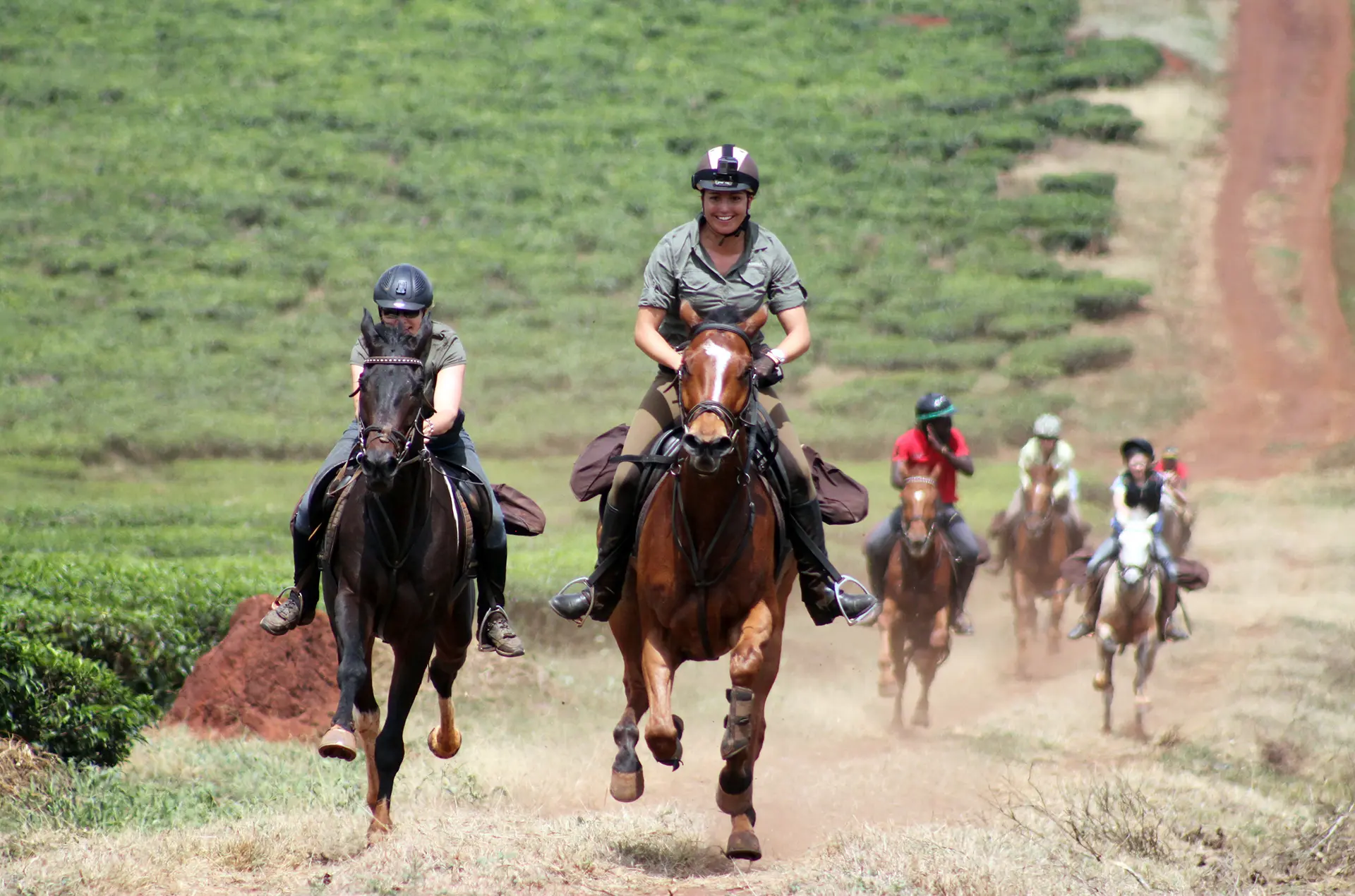
Want more adrenaline? Optional activities include bungee jumping, quad biking, kayaking, a boat cruise to the Source of the Nile, drone video coverage and horse riding along the Nile.
Day four slows things down and gives you another perspective of Jinja.
Explore local markets and craft shops, have lunch in town, visit the Kyabazinga Palace and spend time connecting with the local community through a cultural performance of music, dance and storytelling.
The day ends with a lantern-lit outdoor dinner.
Horseback riding, bicycle tours and local art and fashion shopping are available as optional additions.
Leave Jinja behind and head towards the Sipi Highlands through the landscapes of Eastern Uganda.
The journey includes photography stopovers, lunch and a tour of Mbale City, followed by a walk towards the base of Wanale Hills, a visit to the Mbale Museum and the Mbale circumcision grounds.
Continue to Kapchorwa and Sipi, where you’ll check in before ending the day around a bonfire.
It’s time to explore Sipi.
A guided hike takes you across all three levels of Sipi Falls, with opportunities to enjoy the viewpoints, interact with local communities and learn more about the coffee-growing environment.
The day also includes scenic photography, a natural swimming experience, lunch and waterfall abseiling beside the falls.
For an even more personalised experience, you can add drone photography, a picnic lunch by the falls or a natural swimming experience.
Sipi’s coffee-growing culture takes centre stage today.
You’ll learn about the traditional journey from coffee farm to cup, including growing, roasting, grinding and preparing Uganda’s Arabica coffee with local farmers.
The day also includes a farm visit, community interaction, a walk through the highlands and time to see local activities such as donkey and rabbit rearing.
As the afternoon fades, settle in for a Sipi sundowner overlooking the valleys and waterfalls, followed by a farewell bonfire evening.
Coffee souvenir packaging, live acoustic entertainment and a Sebei dance experience can be added.
After breakfast, begin the journey back to Kampala.
There’s a stop at Sisiyi Falls in Bulambuli District, with optional souvenir shopping and the possibility of stopping at Mabira Forest before arriving back in Kampala.
Travellers who want to extend the final day can add Mabira ziplining, a Mabira nature walk or a swim at Rain Forest Lodge.
By the end of the eight days, you’ve experienced a very different side of Uganda — from Kampala’s culture and Jinja’s Nile adventures to the waterfalls, coffee farms, communities and mountain landscapes of Sipi.
Explore Everything Uganda’s 8 Days, 7 Nights From the Nile to the Highlands package
The best Uganda trip isn’t necessarily the one that visits the most places.
It’s the one that gives you enough time to actually experience them.
Maybe that’s standing beside the Nile in Jinja. Maybe it’s walking through Bwindi looking for gorillas, sharing food at a cultural village, watching elephants on safari or ending an afternoon overlooking the Sipi Highlands with a drink in your hand.
Everything Uganda is built around helping travellers experience those moments with people who know the country from the ground up — not simply ticking attractions off a list. We work with local guides, drivers, communities and accommodation partners to create experiences that connect travellers with Uganda’s landscapes, culture and everyday life.
If you’re ready to turn the idea of visiting Uganda into an actual trip, Start Planning Your Uganda Trip here.